Serving Stillwater, OK and surrounding areas. (405) 338-4557
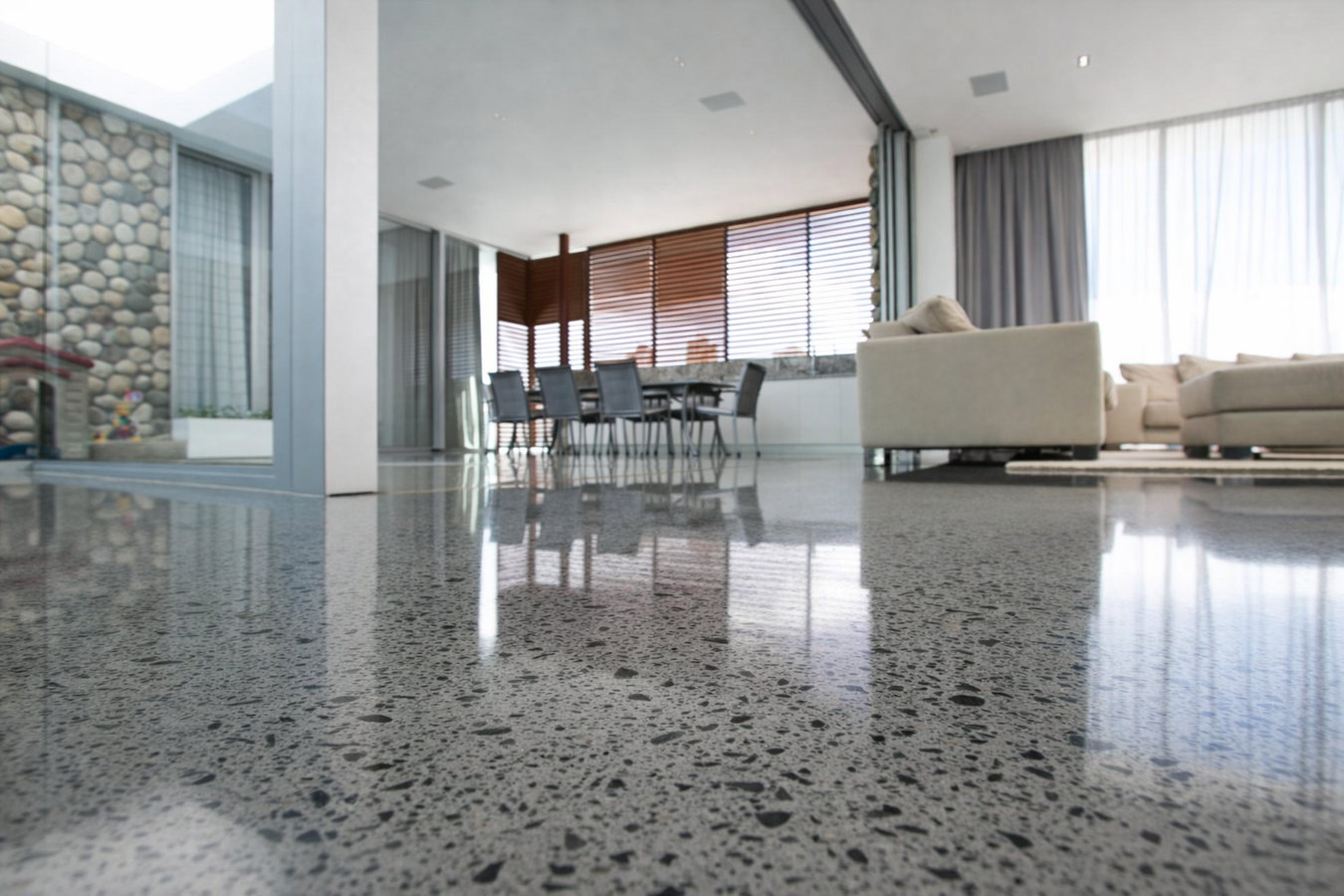
Cracked, soft, or uneven concrete floors do not get better on their own. We install new concrete floors in Stillwater garages, basements, and additions - built right from the base up so they hold up through Oklahoma seasons for decades.
Concrete floor installation in Stillwater involves removing the old surface or preparing bare ground, compacting the soil, adding a gravel base layer, then pouring and finishing a new slab - most residential jobs take one to three days of active work, and a properly installed floor can last 50 years or more.
If your garage floor is cracking, your basement floor feels soft underfoot, or you are finishing a space that needs a level surface to work from, a new concrete floor is the most durable fix available. Unlike tile or wood, a concrete slab does not buckle, warp, or delaminate when Stillwater's soil moves underneath it - as long as the base was prepared correctly in the first place.
If you are dealing with standing water near your home at the same time, it is worth looking at whether a concrete pool deck or exterior drainage solution should be addressed alongside the interior floor work. Handling both together saves scheduling and mobilization costs.
If you can see cracks wider than a hairline - especially ones where one side sits higher than the other - your slab has likely shifted. In Stillwater, this is often caused by clay soil expanding and contracting with seasonal moisture changes. Widespread or structural cracking usually means it is time for a new floor.
If a section sounds hollow when you tap it or feels slightly springy when you walk on it, the concrete has separated from the base beneath it. This happens when soil underneath settles or washes away, leaving the slab unsupported. A floor in this condition is a safety concern and will only get worse over time.
If the surface is flaking off in thin layers or developing small pits, freeze-thaw cycles have damaged it - a common issue in Stillwater's climate. Once this process starts it accelerates each winter. A new floor with a proper sealer applied after installation resists this damage far better than a deteriorating old slab.
If moisture comes up through your basement or garage floor after heavy rain - common in Stillwater during spring storm season - the existing slab may lack adequate drainage underneath. This moisture damages stored items and creates conditions for mold. A new installation with proper base prep and drainage can solve the problem at the source.
We pour new concrete floors for garages, basements, workshops, and addition slabs across Stillwater and surrounding Payne County. Every installation starts with proper soil compaction and a gravel base - the step that prevents settling and cracking in our clay-heavy soil. We cut control joints into every slab so any future shrinkage cracks happen in straight, planned lines instead of randomly across your floor. For projects that connect inside and outside work, we also handle garage floor concrete as part of a broader garage upgrade.
If your project is part of a larger outdoor construction plan, we can coordinate the interior floor work alongside exterior pours. Our concrete pool deck work uses the same base preparation and finishing standards, so the quality carries through whether we are working inside or out.
Suits homeowners with cracked, stained, or pitting garage slabs that have reached the end of their useful life.
Suits homeowners finishing an unfinished basement or replacing a slab that has settled, cracked, or developed moisture issues.
Suits homeowners adding a room, workshop, or utility space that needs a new concrete slab as its structural base.
Suits homeowners whose existing slab has settled unevenly and needs a new surface before installing cabinets, tile, or other finished flooring.
Stillwater sits on clay-heavy soil that expands when wet and shrinks when dry. That seasonal movement is the main reason garage and basement floors in this area crack or settle when the base preparation was not done correctly. A contractor who understands Stillwater soil conditions will compact the ground and add a gravel base layer before pouring - steps that are easy to skip but make the difference between a floor that lasts 30 years and one that cracks within three. The city's permit process, handled through Development Services, also ensures a city inspector checks the work at key stages, which protects you if you ever sell your home.
Stillwater's spring storm seasons bring consistent heavy rain, and basements or garages with poorly drained slabs collect that moisture quickly. Homes in the newer subdivisions on the south and west sides of town and in older neighborhoods near OSU's campus both face these conditions - the soil type is consistent across the city. We serve clients across Stillwater and into surrounding communities including Guthrie and Ponca City, where the same seasonal moisture and clay soil challenges apply.
We schedule a visit to measure the space, check the condition of the existing floor, and discuss how you plan to use the area. You will have a written estimate within one business day of the visit - no phone-only quotes.
If your project requires a City of Stillwater permit, we handle the application before any work starts. Permit approval typically adds a few days to the timeline. Once the permit is in hand, we confirm your start date and tell you exactly how to prepare the space.
The crew removes the old floor if there is one, compacts the soil underneath, and adds a gravel base layer. This phase is the foundation of a lasting floor - in Stillwater's clay soil, skipping it is the leading cause of early slab cracking.
Concrete is poured, spread, and smoothed. Control joints are cut before the slab fully hardens. You can walk on it within 24 to 48 hours - but plan to keep vehicles and heavy items off for at least a week. We give you a clear timeline before we leave so you know when the space is ready for normal use.
Free on-site estimate. No commitment required. We reply within one business day.
(405) 338-4557We compact soil and add a gravel base layer on every job because Stillwater's clay expands and contracts with the seasons. This step is not glamorous, but it is what separates a floor that lasts 30 years from one that cracks in three.
We handle the City of Stillwater permit application before work begins, so the project is on record and inspected. That matters when you sell - buyers and their inspectors will find a paper trail showing the work was done right. ACI installation standards followed on every pour.
Every floor we install gets control joints cut before the concrete fully hardens. They guide future shrinkage cracking into planned, nearly invisible lines - not random cracks running across the middle of your floor two winters later.
After the floor has fully cured - typically 28 days - we recommend applying a sealer to protect against Stillwater's freeze-thaw moisture cycles. We advise on the right product for your use case and include this in our handoff conversation so nothing is left to chance.
Stillwater homeowners call us back because they get a floor they are proud of - not just relieved to have finished. That starts with honest communication, a proper base, and a crew that treats your home like it matters.
Slip-resistant, durable concrete pool decks designed for Stillwater's hot summers and clay soil - the same quality base prep used on every floor installation.
Learn MorePurpose-built garage slabs in Stillwater with the thickness and reinforcement to handle vehicle loads and Oklahoma's seasonal soil movement.
Learn MoreSpring and fall booking slots fill fast - reach out now to lock in your project date before the season gets away from you.