Serving Stillwater, OK and surrounding areas. (405) 338-4557
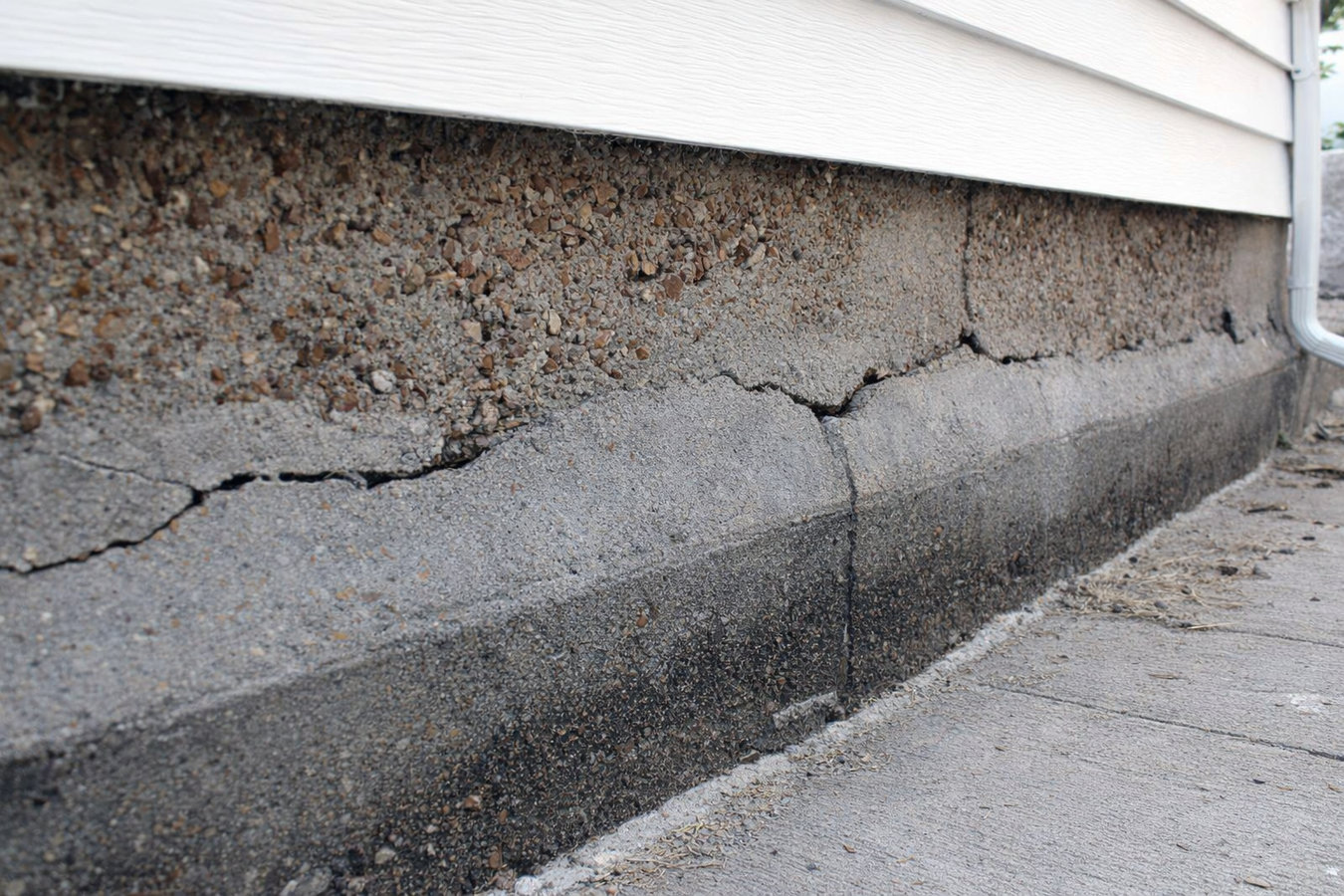
A sinking driveway, patio, or garage floor sends water toward your home and creates a tripping hazard. We lift it back to level, address the cause, and patch the holes the same day.
Foundation raising in Stillwater is the process of drilling small holes through a sunken concrete slab and pumping material underneath to fill voids and push the slab back to its original level - most residential jobs are completed in a single day, with the patch holes filled before the crew leaves.
If you have a driveway that dips toward the house, a patio with a noticeable low corner, or a garage floor that slopes away from the door, the concrete itself is often fine - it has just lost the soil support underneath it. In Stillwater, the clay-heavy soils in Payne County expand and contract dramatically with Oklahoma's wet-dry cycles, creating voids beneath slabs over time. Raising the slab fills those voids and restores proper drainage without the cost and mess of a full tear-out and replacement.
Foundation raising is often the right solution when the concrete is structurally sound. When the underlying support structure also needs attention, pairing this service with slab foundation building ensures the entire base is addressed as part of the same project.
Stand at one end of your driveway, patio, or garage floor and look down the length of it. If it looks like a gentle ramp where it used to be flat, or if water pools in the middle after rain instead of running off the edge, the slab has likely dropped on one side. This is one of the clearest signs the soil underneath has shifted.
When the ground under your foundation moves, the frame of your house moves with it - even slightly. If interior doors that used to swing freely now stick at the top or drag on the floor, or if gaps are forming at the corners of door frames, the foundation beneath that part of your home may have settled. In Stillwater's clay soil, this symptom often appears after a long dry summer.
Step-shaped cracks in brick or block, or diagonal cracks running from the corners of windows and doors, are signs that different parts of your foundation have moved at different rates. These cracks are common in older Stillwater homes that sit on clay-heavy soil and have gone through many wet-dry cycles. A crack that is widening over time is more urgent than one that has held steady.
If you can see a gap between your concrete driveway or garage floor and the house itself - even a small one - the slab has pulled away from the structure. This happens when the soil under the slab compresses or washes out. In Stillwater, this is especially common after heavy spring rains followed by a dry summer, a pattern the area sees regularly.
We lift sunken slabs on driveways, patios, garage floors, front walks, and residential foundation perimeters throughout Stillwater and the surrounding area. Every job starts with an on-site assessment to determine why the slab sank - not just how to lift it. We look at drainage patterns, soil conditions around the slab edges, and whether any plumbing or grading issues are contributing to the problem. After the lift, we patch and clean the injection holes so the surface is ready to use before we leave. For homeowners who need precise cuts through concrete as part of a related repair, we coordinate with our concrete cutting service to handle both in one visit where possible.
We use both mudjacking and polyurethane foam injection and will explain which method is the better fit for your specific slab, soil conditions, and budget before any work begins. Written estimates spell out the method, the scope, and the total cost before we schedule anything. For homeowners whose slab has settled so far that lifting is no longer practical, we provide full slab foundation building as an alternative, so you are not left without a next step if raising turns out not to be the right call.
Suits homeowners looking for a proven, cost-effective method to lift large slabs like driveways and garage floors where weight and long cure time are not concerns.
Suits homeowners who want a faster cure, a lighter material, and a longer-lasting result - particularly for areas with weight-sensitive soil or tight project timelines.
Suits homeowners whose driveway or garage floor has dropped enough to create a trip hazard, a drainage problem, or a noticeable gap at the house - without requiring a full replacement pour.
Suits homeowners with sunken patio sections or uneven front walks where the concrete is still in good condition but has settled unevenly due to soil movement beneath it.
Stillwater sits on Grainola and Lucien clay soils that are among the most active in north-central Oklahoma. These soils swell when they absorb water and shrink back during dry stretches - and Oklahoma's pattern of wet springs followed by dry, hot summers means that cycle repeats every single year. Over time, that constant movement creates voids under slabs and causes concrete to sink in sections. Homes built in the 1950s through 1980s, which make up a large share of Stillwater's neighborhoods near Oklahoma State University and along the older streets west of Main, are especially vulnerable because older construction practices did not always include proper soil compaction or drainage systems. Freeze- thaw cycles in winter add another layer of pressure, slowly rearranging soil particles beneath slabs with each cold spell.
We work across the Stillwater area, including homes near Perkins and Cushing, where the same Payne County clay soils create the same slab movement problems. Local soil knowledge matters because timing the repair correctly - during a period of stable moisture rather than at peak drought - affects how well the lift holds long-term. A contractor who has worked in this specific region understands that context without having to be told.
When you reach out, we will ask a few basic questions - where the problem is, how long you have noticed it, and whether you have seen any cracks or water issues nearby. You do not need to know every detail - just describe what you have seen and we will come prepared. We respond to estimate requests within one business day.
We visit your property and walk the affected area with you. We check the slab for cracks, probe the soil around the edges, and look for drainage or grading issues that could cause the problem to return. This visit typically takes 30 to 60 minutes, and we explain what we find in plain language before recommending anything.
After the assessment you receive a written estimate that spells out the method, the scope of work, and the total cost. If a permit is required by the City of Stillwater for your specific job, we note that in the estimate and explain who handles it. Never agree to work based on a verbal quote alone.
On the work day, the crew drills small holes through the slab, pumps material underneath until the concrete rises back to the correct level, then patches and cleans the holes. Most residential jobs finish in a few hours. Before leaving, we walk you through the completed work and tell you exactly when the surface is safe for foot and vehicle traffic.
Free estimate, written quote, no pressure. We respond within one business day.
(405) 338-4557Lifting a slab without understanding why it sank is a short-term fix. Before any work begins, we assess drainage patterns, soil conditions, and grading around the slab to identify what caused the settling. Addressing the root cause alongside the lift is what makes the repair last through Stillwater's seasonal moisture swings.
The clay soils in Stillwater and the surrounding area behave differently than soils in other parts of Oklahoma. Timing a lift during peak drought - when the soil is at its driest - can produce results that shift again when the rains return. We factor current soil conditions into scheduling recommendations, which is something a traveling crew cannot reasonably do.
Every foundation raising project gets a written estimate that spells out the method, the number of injection points, the patching process, and the total cost - before we schedule the job. You know exactly what you are agreeing to. There are no line items added after the crew shows up.
Foundation work on a residential structure in Stillwater can trigger a permit requirement through the City of Stillwater Building Services division. We assess permit requirements as part of every estimate and handle the application process when a permit is needed, so you are not left navigating city paperwork on your own. The Foundation Repair Association sets the industry standards our work is built against.
Every one of these points matters in Stillwater specifically - a city where clay soil, older housing stock, and seasonal weather swings combine to make foundation settling more common than in most markets. Local knowledge and honest process are what separate a repair that holds from one that needs to be done again next year.
Precision cuts through existing slabs for utility access, expansion joints, or removing damaged sections before a repair.
Learn MoreFull concrete slab pours for new construction or replacement when an existing slab is too damaged to lift.
Learn MoreStillwater's dry summers push clay soil to its lowest point - act now and the repair conditions are in your favor.